

Melbourne is finally catching on to the tropical magic of Mauritius. What started as a quiet hum of flavours from the Indian Ocean has grown into a proud chorus, pulling strangers together at tables across the city and turning curiosity into connection. Mauritian cuisine isn’t just delicious. It’s also a story of resilience, migration and cultural survival on a plate. And in a moment where immigration debates feel louder than actual immigrant voices, food feels like the most understated resistance of all.
Growing up, Mauritian hospitality – with all its loud laughs, lively Sega music and welcoming warmth – mostly lived inside an auntie’s living room or the odd community hall ball. Beyond that, the food felt scattered: a market stall here, a temporary café there, but never a consistent presence in Melbourne. Now, it feels like that’s changing.
When friends asked about Mauritian food, I’d freeze. How do you define something so diverse in experience?
An island made of many histories
To understand the cuisine, you have to understand the island. Mauritius carries a layered history of Portuguese, British, French, Indian, Chinese and African influence, shaped through hundreds of years of complex history that included colonisation and slavery.
Yet, despite the adversity Mauritian people faced, a distinct Creole identity emerged – inventive, bold and held together through recipes passed down, adapted and kept alive in kitchens around the world. For a long time, I assumed these flavours would stay niche, known only by people who could confidently point out Mauritius on the map, without squinting at it first.
For a long time, I assumed these flavours would stay niche, known only by people who could confidently point out Mauritius on the map, without squinting at it first.
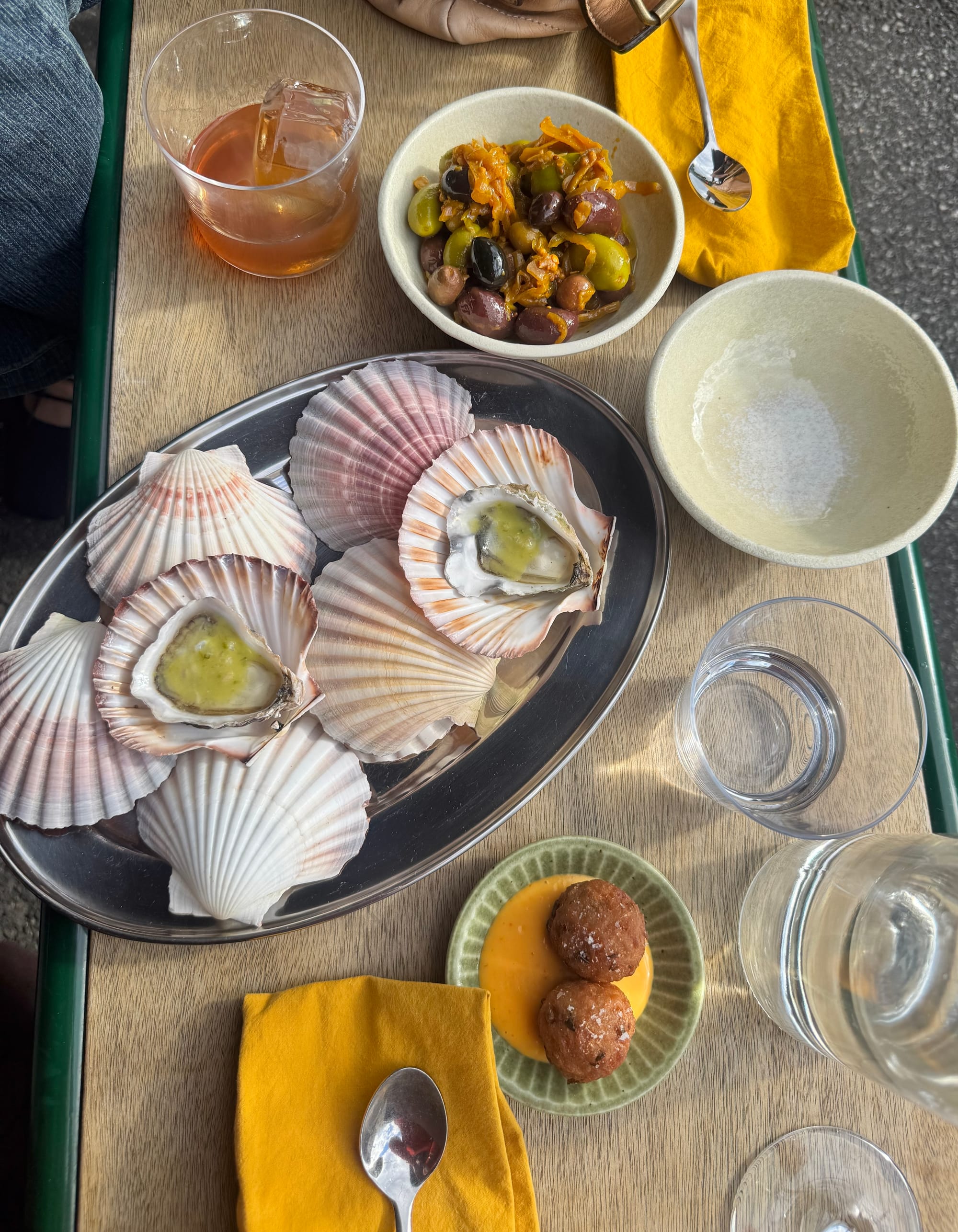
But this year, something shifted. Over an island-inspired cocktail at North Melbourne’s new wine bar Boire, or a plate of fragrant street-food staples at the freshly opened Baz Kreole in Richmond, I found myself sharing these flavours with friends in a new way that felt public, proud and finally tangible.
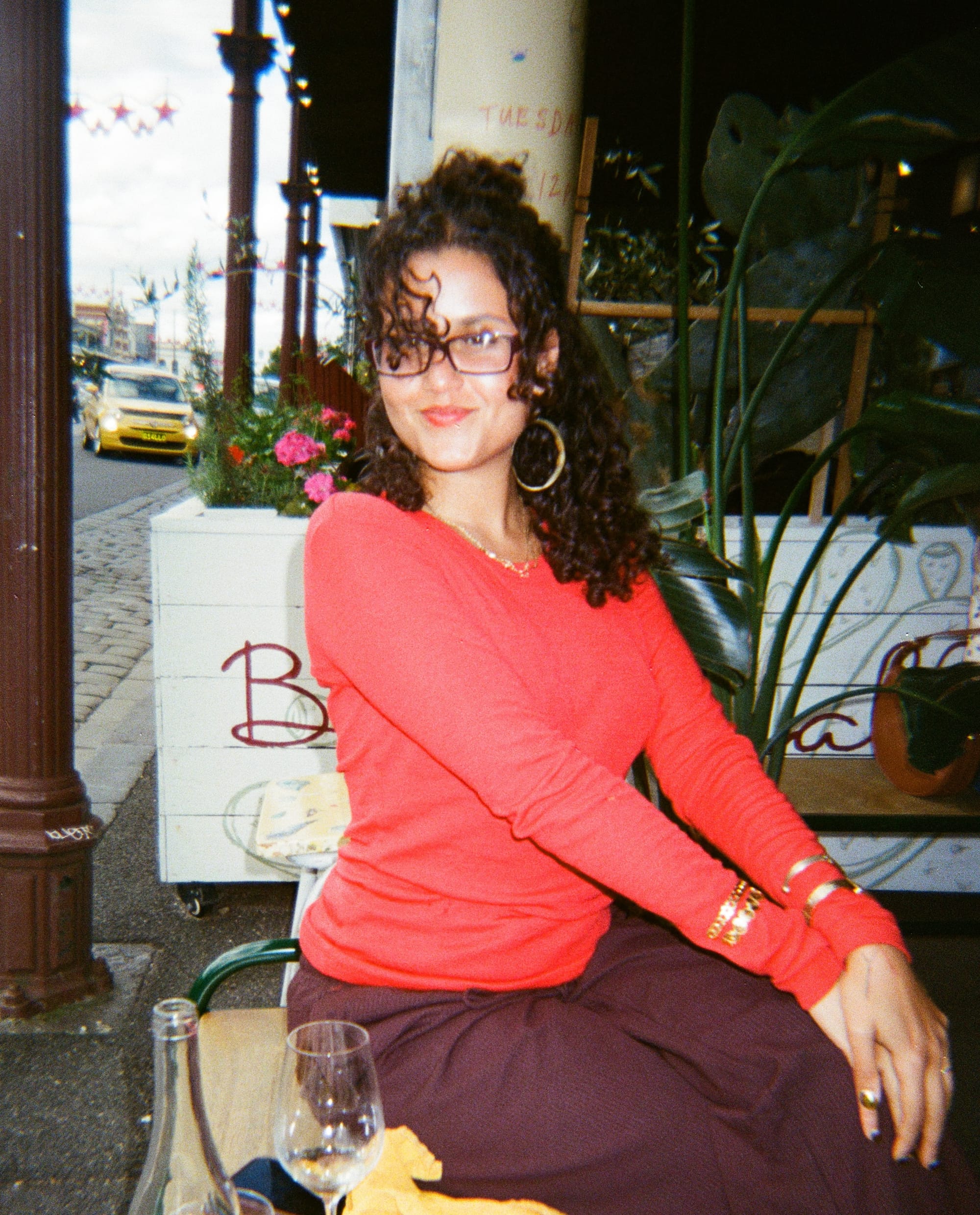
Matisse Laida and the shift
A major part of this shift is thanks to people like 26-year-old Matisse Laida, who has been feeding crowds across some of Melbourne’s most exciting venues through her queer people of colour collective We Eatin’ Good. She’s helped introduce Mauritian food to a generation that might never have encountered it otherwise –through club rooftops, radio stations, community cook-ups and a big social media presence.
I first stumbled across her earlier this year, serving up ‘lazy Mauritian hot dogs’ at a pop-up on the rooftop of my favourite club, Miscellanea. I couldn’t believe it. A line curled around her stand in the warm summer air, everyone eating, drinking and vibing to food that felt so familiar to me but brand new to them. It hit me that I’d never actually introduced my friends to Mauritian food before. So I insisted they try it: the bright punch of satini cotomili (coriander chutney), the crunchy turmeric-stained achard that feels like kimchi’s tropical cousin and a familiar Mauritian-style curry playfully reimagined as a hot dog. Watching them with intrigue as they enjoyed themselves felt like watching a piece of home unfold in real time.
Later, I got to reminisce with Matisse over a spread of Mauritian snacks on the benches outside Boire, the sister venue to Melbourne’s legendary Mauritian restaurant Manzé. She opened up about her own journey back to the culture.
‘I was working so hard to help other queer people reconnect with their culture, and then I was like… wait, what about me?’ she said, laughing. ‘I was really craving that connection.’
Sharing food became her pathway to celebrating her identity. ‘In sharing my culture with other people, I’m also learning more about it and feeling more and more proud of it.’
For her, cooking is more than an act of service. It’s a form of archiving. ‘Food is a really beautiful way to tell the history of a place. It’s also a very important way of upholding culture and keeping culture alive… it tells a timeline of a story that you can’t really get through written word.’
For her, cooking is more than an act of service. It’s a form of archiving. ‘Food is a really beautiful way to tell the history of a place. It’s also a very important way of upholding culture and keeping culture alive… it tells a timeline of a story that you can’t really get through written word.’
More than a trend
That’s exactly why Mauritian food is hitting home for Melburnians now. Australia is home to the third-largest Mauritian diaspora in the world, with most settling in Victoria, a state shaped by generations of migration and a search for belonging.
So the cuisine popping off in Melbourne isn’t just a trend. It’s a natural continuation of that story.
Sharing that unique hot dog with my friends that one night made me realise what I’d been missing.
Food can be its own language and a cultural bridge to belonging that says this is where I come from, in a more real way that simply requires curious taste buds and an open mind.
It made me feel grateful to be Mauritian and proud to live in a city excited to incorporate those flavours into its diverse cuisines. Maybe that’s the quiet resistance Mauritian food offers: a little joy, connection and cultural pride served hot in a city finally ready to taste it.

