

White picket fence, a deck leading to a green, lawn-mowed yard, the dog running around, the kids playing cricket in the driveway, and in the centre of it all is the four-bedroom, two-and-a-half-bathroom house. It’s the Aussie dream that has inspired generations to work and save enough to buy into it.
But the over-the-fence ‘G’day!’ and the attitude of ‘work hard and you’ll own a place by your thirties’ feel long gone.
I’ve been living in an apartment my whole life, and instead of grassy gardens and a trampoline, I’ve known pot plants and balconies. It’s never been a point of shame, and for my family, apartment living was a necessity and at times it felt like a lifestyle choice (even when there was no other choice). The way I live is the way more than 2.5 million Australians live all across the country, in flats or low-rise buildings, gathered in urban spaces. For many, apartment living is about making the most of what you have and keeping positive about the future during a national housing crisis.
For many, apartment living is about making the most of what you have and keeping positive about the future during a national housing crisis.
Renee and the high-rise clubhouse
For Renee, who is in her twenties and has recently started working full-time, renting a privately leased apartment is both a necessity and a way to stay close to the city. ‘I love my housemate, we get along really well…like, we see the space as very communal and friendly and open.’
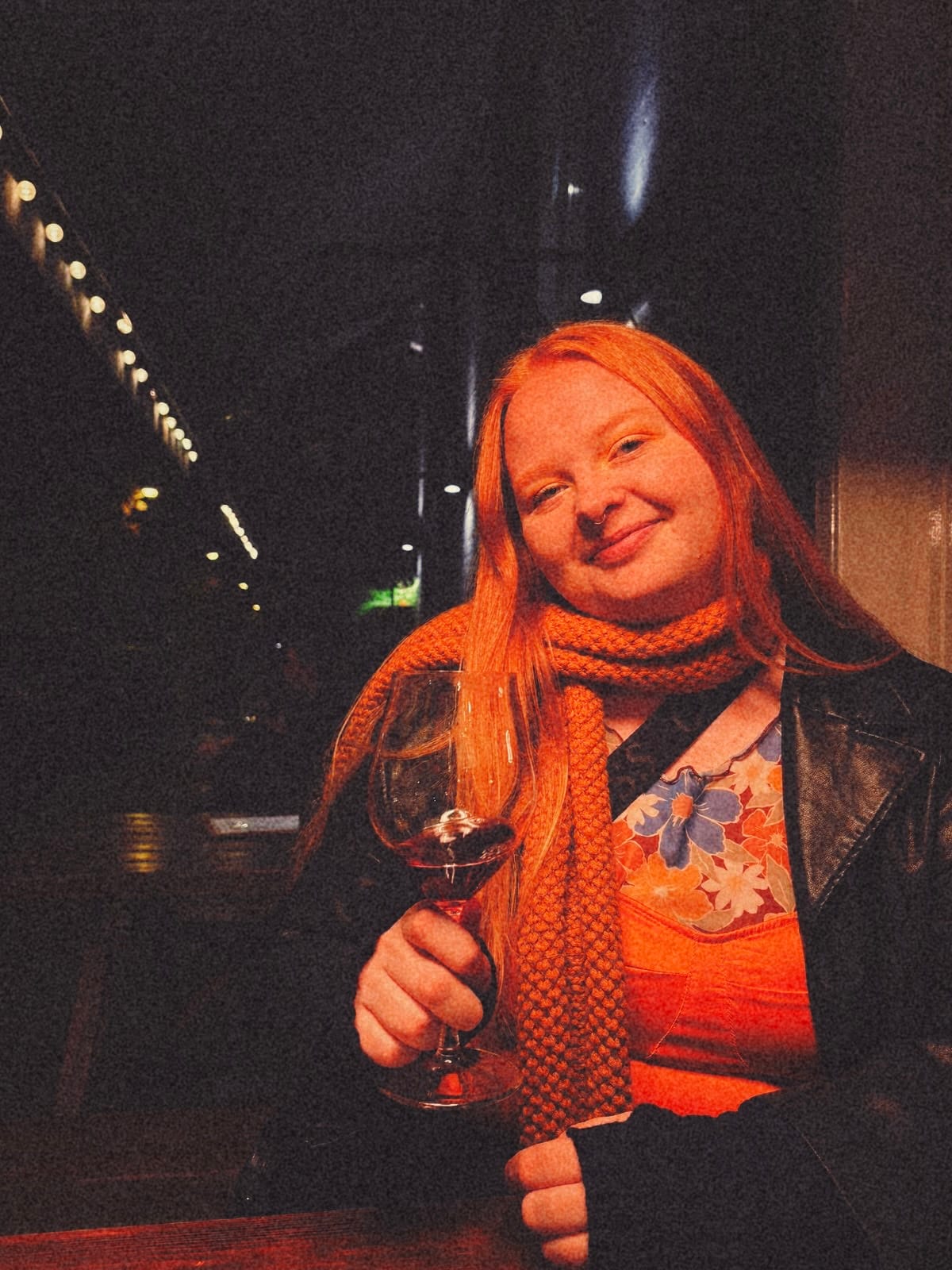
Residing in Southern Cross, Renee shared how her apartment has become a meeting spot for her group of friends and has adopted the name of ‘the clubhouse’. ‘If anybody’s ever in the city, they pop by. You just ring the doorbell or intercom,’ she said.
When there was a Christmas party for a large group of people coming over and there weren’t enough chairs, Renee posted on the community notice board to ask for some that could be lent for the night. Out of a thousand people living in the building on more than 40 floors, a 70-year-old lady helped. ‘I came up to her apartment. She let me in, she gave me a cup of tea. And she lent me, I’d say, six or seven chairs, which is amazing,’ said Renee.
Despite this sense of community and the proximity to the city, it’s not always ideal. Living on the 21st floor, Renee said walking up the stairs isn’t an option. ‘The elevators, there’s only a few of them. They break down all the time. Sometimes you’re waiting to get down in the elevator when you’re about to miss the bus or about to miss your class.’ She also shared how the building has periodic issues with the sewage system, and how the power gets switched off because it shares a power grid with the rest of the city. New high-rise buildings must have backup power, as outages stop elevators, heating, lights, and appliances from working, which can be dangerous.
But planning on where to move next is an issue most of us have faced, especially with low housing supply and rising rents. ‘Finding a house that’s, you know, well-priced, affordable, and also, has good public transport is really impossible,’ Renee said. Often apartment living is seen to be transitory, and Renee said it would be a logical progression to rent a house and then to potentially own one. Though when it’s an effort to support your livelihood, it makes planning your future uncertain. ‘I think the cost of living and the housing crisis is on the forefront of my mind,’ Renee said.
‘Finding a house that’s, you know, well-priced, affordable, and also, has good public transport is really impossible.’
As a renter dreaming of owning your home, you scroll through real estate sites and it quickly becomes clear there aren’t many properties unless you’re a literal millionaire. This doesn’t stop young people from keeping their dreams alive.
Will’s house dream and the balcony view
Will is 20, a full-time student in Melbourne, and he shared that his end goal would be owning a house one day. He currently lives in the outer-city suburbs with his family. ‘I would love…one of those townhouses with the terrace balconies, the old Victorian-style terrace balconies that you see throughout the city, particularly in Richmond and Carlton.’
But the goal of owning an inner-city townhouse might remain a dream if prices continue to rise. In Richmond, that sort of two-bedroom home sits at about $1.3 million. To buy one, you’d need a deposit of $260,000 – the kind of money no one’s pulling together on a grad salary. Consider a median full-time wage in Australia is around $72,000. There’s barely room in the budget for anything beyond rent, food and bills – let alone a home deposit. And that deposit isn’t standing still. On average, prices climb 5–6% a year, so it just keeps getting further away. Planning for the future has become a tug-of-war between cost of living pressures, wages, and house prices. ‘I do think it’s a joke, like what we now pay for a house compared to what was paid 40 years ago. Inflation, it’s a bloody bastard,’ Will said.
Though it’s dire, the current market doesn’t stop young people, like Will, from holding onto their dreams. Will shared his love for living by the coast, as being a rural person at heart, he grew up in two worlds: by the sea and near the city. His own memories of living in an apartment start with the glass sliding door of his balcony.
At his grandparents’ South Melbourne apartment, he shared how he would stay out on the balcony with his grandpa drinking espressos and watching the sunrise. ‘You can see the Shrine of Remembrance, you can see AAMI Park, Eureka Skydeck, the Port of Melbourne, you can see everything,’ he said. As with Renee and her friends, it’s Will’s family that makes the apartment a home. ‘The balcony became this really liberating place, a gathering for the family, but also where you could just enjoy yourselves.’
Sometimes, you can live very far from the city and simply having a view from your apartment makes it worth it. Will shows a picture from his balcony, and there on the horizon, you can see the outline of the city. ‘Melbourne never feels far, but it still feels nice and comfortable where it is. Like, a decent distance.’
A new version of the Aussie dream
So it’s not all about proximity to the city. It’s about community, family and freedom, and being able to see the sky instead of a fence or another building. Being in a rental crisis doesn’t stop young people like Renee and Will from making plans for the future and dreaming of their ideal place to call home. As the housing landscape changes, so does the Aussie dream… though our backyards may just come packaged in balcony size.
As the housing landscape changes, so does the Aussie dream…though our backyards may just come packaged in balcony size.


